
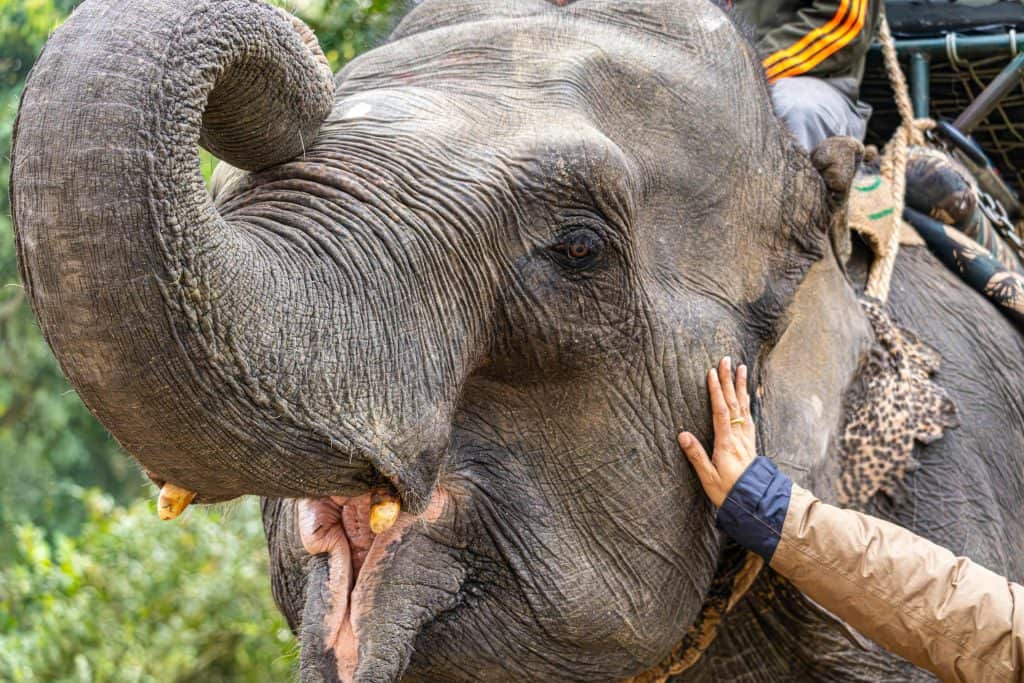
Elephant sanctuaries in Thailand are often perceived as safe havens where rescued elephants live freely and human interaction causes no harm. In reality, the term “sanctuary” is not legally regulated, which has led to widespread misconceptions among travellers. According to World Animal Protection, many venues labelled as sanctuaries continue practices that compromise elephant welfare.
This article explains the most common myths surrounding elephant sanctuaries in Thailand, contrasts them with evidence-based realities, and clarifies how genuinely ethical sanctuaries, including elephant sanctuary samui, differ from exploitative operations.
What Is an Elephant Sanctuary in Thailand?
An elephant sanctuary in Thailand is generally described as a facility that houses elephants rescued from logging, street begging, or tourism labour. Ethical sanctuaries prioritise animal welfare, autonomy, and long-term care rather than entertainment or high visitor turnover.
However, because the word “sanctuary” is unregulated, its use alone does not guarantee ethical standards. This gap has allowed several myths to persist within Thailand’s elephant tourism industry.
Myth 1: All Elephant Sanctuaries Are Ethical
This myth assumes that the sanctuary label automatically means high welfare standards. In reality, organisations such as World Animal Protection have found that many so-called sanctuaries still allow riding, forced bathing, or performances.
Ethical sanctuaries operate on observation-first models, limit physical contact, and prioritise the elephants’ choice to engage or disengage. Facilities that focus on visitor interaction rather than animal needs often replicate the same exploitative systems under a different name.
Myth 2: Elephant Riding Is Harmless If No Saddle Is Used
Elephant riding is harmful regardless of whether a saddle is present. Veterinary research shows that elephants’ spines are not anatomically designed to carry weight, leading to long-term musculoskeletal damage.
Moreover, riding depends on intensive control methods established through early-life training practices that cause physical and psychological trauma. Ethical sanctuaries categorically reject all forms of riding.
Myth 3: Bathing Elephants with Tourists Is Good for Their Wellbeing
Tourist-led elephant bathing is often marketed as enriching, but it can be stressful. Elephants naturally choose when and where to bathe, and forced interaction interrupts their normal behaviour.
According to Forbes Travel Guide, ethical sanctuaries allow elephants to bathe independently while visitors observe from a respectful distance. Structured bathing sessions designed for photographs are a common indicator of poor welfare standards.
Myth 4: Calm Elephants Are Happy Elephants
Calm behaviour does not necessarily indicate comfort or wellbeing. Behavioural researchers explain that elephants in captivity may appear calm due to conditioning or learned helplessness rather than contentment.
True welfare assessment considers space, social interaction, freedom of movement, and the absence of coercion, not simply outward behaviour during tourist visits.
Myth 5: Baby Elephants at Sanctuaries Are a Positive Sign
Breeding elephants for tourism undermines conservation efforts. Legitimate sanctuaries rarely breed elephants, as their purpose is to rescue and care for existing captive animals.
Facilities promoting baby elephant encounters are often sustaining demand for captivity rather than reducing it. Conservation organisations consistently warn that breeding for tourism perpetuates exploitation.
Myth 6: Sanctuaries Directly Protect Wild Elephant Populations
Most sanctuaries in Thailand care for domesticated elephants, not wild populations. While sanctuaries can improve individual welfare, they do not directly address habitat loss or human-elephant conflict in the wild.
Wild elephant conservation requires land protection, policy enforcement, and community engagement, which are separate from sanctuary-based care.
How Ethical Sanctuaries Differ in Practice
Ethical sanctuaries follow clear welfare-focused principles. These include no riding, no performances, limited interaction, transparent rescue histories, and environments that allow elephants to roam freely.
Facilities such as elephant sanctuary samui are frequently referenced in ethical tourism discussions because they focus on observation, education, and natural behaviour rather than spectacle.
- No elephant riding or shows
- Observation-led experiences
- Clear welfare policies and transparency
- Education about elephant history and care
Why These Myths Persist
Tourism marketing and traveller expectations play a major role. Many visitors seek close contact experiences without understanding the hidden welfare costs.
Without clear regulation, misleading language continues to blur the line between ethical care and exploitation. Education remains the most effective tool for change.
How Travellers Can Make Ethical Choices
Responsible travel decisions can reduce demand for harmful practices. Researching facilities, avoiding venues offering rides or performances, and supporting observation-only sanctuaries all contribute to better outcomes.
Organisations such as World Animal Protection recommend choosing venues that prioritise elephant autonomy over visitor entertainment.
Conclusion
Common myths about elephant sanctuaries in Thailand often mask ongoing welfare issues. Understanding the realities behind sanctuary labels helps travellers make informed, ethical choices.
By supporting genuinely responsible operations, including examples like elephant sanctuary samui, visitors can help shift Thailand’s elephant tourism industry toward greater transparency, compassion, and long-term welfare.


