A custom suit is more than clothing. It is an investment in appearance, confidence, professionalism, and long-term wardrobe quality. Whether you wear tailoring every weekday or only for important occasions, proper care determines how well your suit performs over time. A beautifully made garment can lose shape quickly through neglect, while a thoughtfully maintained suit can look elegant for many years.
Many people assume suit care is complicated or expensive. In reality, most of the practices that preserve tailoring are simple habits: hanging the suit properly, rotating wears, brushing fabric, storing it correctly, and avoiding unnecessary cleaning. These small actions dramatically extend lifespan, maintain drape, and keep garments looking sharp.
Custom suits deserve especially good care because they are built around your body and preferences. Replacing that fit is not as simple as buying another garment off a rack. The better approach is to preserve what already works.This guide explains how to care for your custom suit properly, avoid common mistakes, and maximise value over time.
Why Suit Care Matters
Proper care affects far more than appearance.
Benefits of Good Suit Maintenance
- Preserves shape and structure
- Extends fabric lifespan
- Keeps trousers looking sharp
- Reduces need for dry cleaning
- Protects fit and drape
- Improves long-term value
- Keeps you presentation-ready
Example Comparison
| Habit | Long-Term Result |
| Proper rotation + brushing | Suit lasts years longer |
| Worn daily + poor storage | Rapid wear and shine |
| Over dry-cleaning | Fabric weakens faster |
| Good hanger use | Shoulder shape preserved |
Understand What Makes a Suit Different
A custom suit often uses:
- Better cloth
- Canvas construction or structured internals
- Personalized fit
- Carefully pressed shaping
- Tailored sleeve and trouser balance
These features create elegance, but also deserve correct maintenance.
Rule #1: Do Not Wear the Same Suit Every Day
One of the fastest ways to shorten suit life is constant repeated wear without rest.
Fabric absorbs:
- Body moisture
- Friction stress
- Seat pressure
- Movement strain
- Environmental dust
Allowing a suit to rest helps fibers recover.
Ideal Rotation
| Number of Suits | Benefit |
| 1 | Basic ownership only |
| 2 | Better recovery cycle |
| 3 | Strong weekly rotation |
| 4+ | Excellent longevity |
If you wear suits often, multiple suits usually save money long term.
Rule #2: Use Proper Hangers

Wire hangers are one of the worst enemies of tailoring.
Best Hanger Type
Choose broad wooden or structured hangers that support:
- Shoulder shape
- Jacket balance
- Collar area
- Natural drape
Why It Matters
Thin hangers can distort shoulders, create bumps, and stress fabric.
Rule #3: Brush Your Suit After Wearing
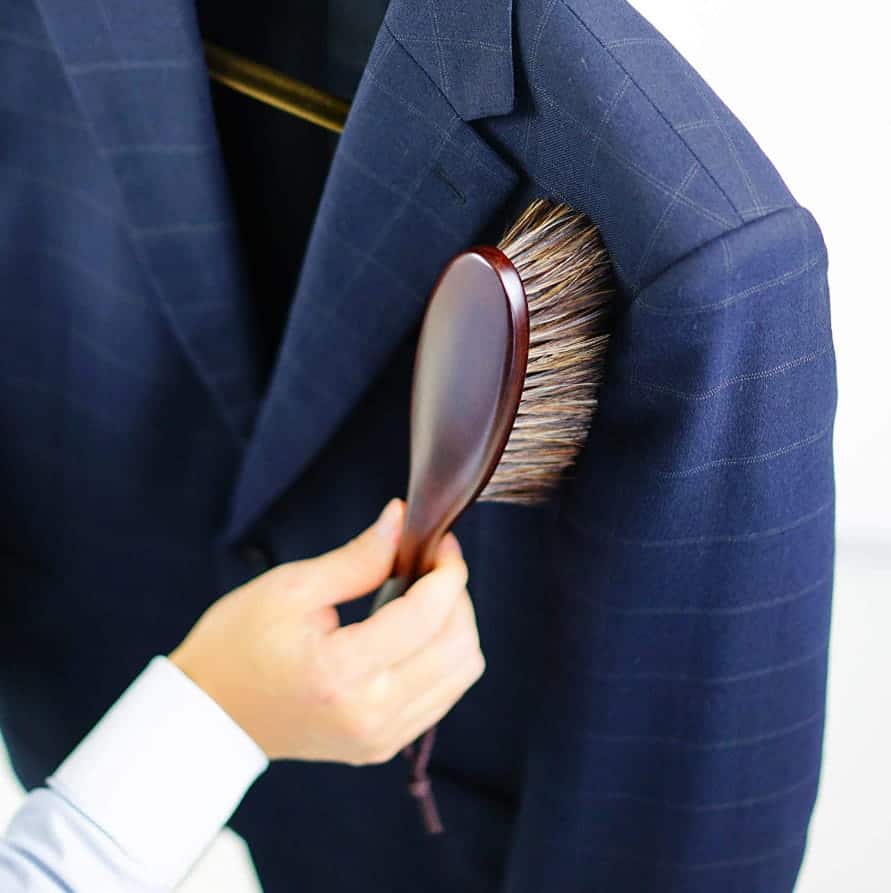
A clothing brush is one of the most underrated suit tools.
What Brushing Does
- Removes dust
- Lifts surface dirt
- Prevents particles grinding into fibers
- Refreshes appearance
- Reduces cleaning frequency
Quick Routine
- Hang jacket properly
- Lightly brush downward strokes
- Focus on lapels, sleeves, seat, trouser thighs
Just two minutes can make a difference.
Rule #4: Let the Suit Air Out
After wearing, especially in warm climates or long office days, let the suit breathe.
Why
Moisture trapped in fabric can cause:
- Odor retention
- Fiber stress
- Reduced freshness
- Unnecessary cleaning cycles
Best Practice
Hang in open airflow for a few hours before placing it into packed wardrobe storage.
Rule #5: Empty Your Pockets
Heavy pockets distort tailoring.
Common Pocket Mistakes
- Thick wallet in trouser pocket
- Phone in jacket breast pocket
- Keys in trouser front pocket
- Bulky card holder in chest pocket
Long-Term Effects
- Pocket sagging
- Uneven lines
- Fabric stress
- Misshapen silhouette
Use a bag when possible.
Rule #6: Dry Clean Sparingly
Many people over-clean suits.
Important Truth
Dry cleaning uses solvents that can gradually wear natural fibers and internal structure.
Better Standard
Dry clean only when genuinely needed.
Instead Use:
- Brushing
- Airing out
- Spot cleaning
- Light steaming
Typical Frequency Depends On Use
| Use Pattern | Possible Cleaning Need |
| Occasional wear | Rare |
| Weekly office use | Periodic |
| Heavy travel / stains | As needed |
Rule #7: Learn Spot Cleaning Basics
Small marks do not always require full cleaning.
Safe Minor Responses
- Blot liquid quickly (do not rub aggressively)
- Use clean damp cloth gently if suitable
- Test hidden area first
- Seek professional help for oil or deep stains
Quick action often prevents permanent marks.
Rule #8: Steam Instead of Over-Pressing
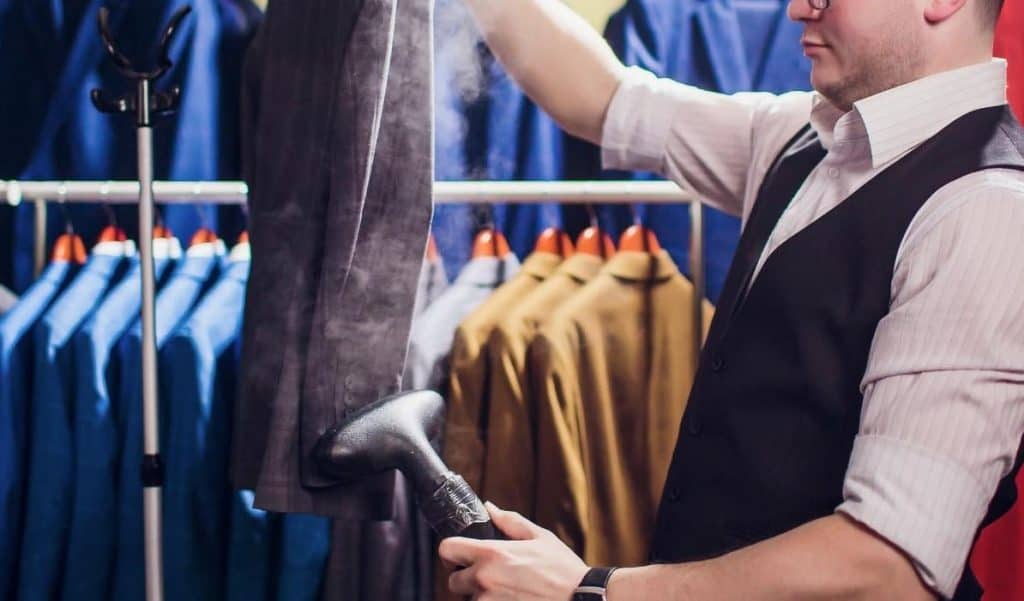
Steam refreshes fabric naturally.
Benefits of Steaming
- Releases wrinkles
- Revives drape
- Freshens cloth
- Less harsh than aggressive ironing
If Using Iron
Use a cloth barrier and caution. Direct high heat can shine wool or damage fibers.
Rule #9: Care for Trousers Separately
Trousers often wear faster than jackets because of sitting, walking, and friction.
Good Trouser Care
- Hang by hem or crease
- Brush after wear
- Rest between uses
- Re-press crease when needed
- Repair hems early
Smart Buying Tip
Many business wearers benefit from ordering extra trousers with a suit.
Rule #10: Store Suits Correctly

Storage quality matters greatly.
Best Storage Practices
- Use breathable garment bags if storing long-term
- Avoid plastic trapping moisture
- Keep wardrobe dry and ventilated
- Give garments space
- Avoid overcrowding
Why Space Matters
Crushed garments lose shape faster.
Seasonal Storage Tips
If storing a suit for months:
- Clean lightly first
- Brush thoroughly
- Ensure completely dry
- Use cedar or moth protection if needed
- Store in breathable cover
Rule #11: Repair Small Problems Early
Tiny issues become expensive issues when ignored.
Watch For:
- Loose buttons
- Trouser hem wear
- Pocket seam opening
- Lining tear
- Split seam beginning
Fixing problems early preserves lifespan.
Rule #12: Respect Climate Conditions
Hot and humid climates create different care needs than cooler cities.
In Warm Cities
- Air suits after every wear
- Rotate more often
- Use lighter fabrics
- Avoid damp storage
In Cooler Cities
- Brush off rain or snow residue
- Dry naturally away from direct heat
- Watch salt or moisture marks
Travel Care for Custom Suits
Professionals often damage suits through poor packing.
Best Travel Methods
- Garment bag if possible
- Fold carefully with shoulders protected
- Use dry-cleaning plastic or soft layers to reduce friction
- Unpack immediately on arrival
Hotel Recovery Tip
Hang in the bathroom while taking a warm shower to release wrinkles.
How Often Should You Press a Suit?
Only when needed.
Too Much Pressing Can:
- Flatten natural shaping
- Create shine on wool
- Wear edges faster
Use moderate professional pressing instead of constant harsh ironing.
How to Handle Rain
If caught in rain:
- Shake off excess water
- Hang properly
- Let dry naturally
- Brush once dry
Do not place it near intense heater sources.
Common Suit Care Mistakes
1. Wearing Same Suit Daily
No recovery time for fibers.
2. Using Wire Hangers
Damages shoulder shape.
3. Over Dry-Cleaning
Weakens cloth unnecessarily.
4. Stuffing Pockets
Creates distortion.
5. Ignoring Small Repairs
Shortens lifespan quickly.
6. Poor Storage
Moisture and compression damage garments.
How Long Should a Good Suit Last?
Depends on frequency, fabric, and care.
| Usage Level | With Good Care |
| Occasional events | Many years |
| Weekly office wear | Several strong years |
| Heavy rotation with multiple suits | Long lifespan |
| Daily single-suit abuse | Much shorter |
Cost-per-Wear Thinking
A $1,000 suit worn 150 times costs less per wear than a cheaper suit which is ruined quickly.
Good care improves cost efficiency significantly.
Build a Suit Care Kit
Useful items include:
- Clothes brush
- Cedar hangers
- Lint roller
- Garment bag
- Steamer
- Shoe trees (for full outfit discipline)
- Sewing kit for emergencies
When to Professionally Refresh a Suit
Consider professional attention when:
- Pressing no longer restores shape
- Odor persists
- Stains remain
- Trousers losing crease badly
- Minor structural repairs needed
Why Custom Suits Deserve Better Care
Because custom garments are made for you:
- Your posture
- Your measurements
- Your preferences
- Your lifestyle
Protecting that fit is smarter than replacing it casually.
Conclusion
Suit care is not about obsession, it is about consistency. Proper hanging, brushing, rotation, light cleaning, and early repairs preserve both appearance and value. A custom suit that is maintained well can remain one of the strongest pieces in your wardrobe for years. In Bangkok, we, at Jesse and Son, are recognised for traditional tailoring values where fit and longevity matter equally. If you are looking for guidance from a Bangkok suit tailor’s perspective, understanding aftercare is one of the smartest ways to protect your investment.
FAQ
1. How often should I dry clean my custom suit?
Only when genuinely needed. Over-cleaning can shorten fabric life.
2. Can I wear the same suit every day?
Not ideal. Rotation greatly improves longevity.
3. What hanger should I use?
Wide wooden or structured hangers that support shoulders.
4. Is steaming better than ironing?
Usually yes for routine wrinkle removal.
5. How do I store a suit long term?
Clean lightly, brush it, use a breathable cover, and keep it in a dry space.
6. Why do trousers wear out faster?
They face more friction from sitting and movement.
7. Can rain ruin a wool suit?
Usually not if dried properly afterward.
8. Is suit care really worth the effort?
Absolutely. Small habits can add years of useful life.